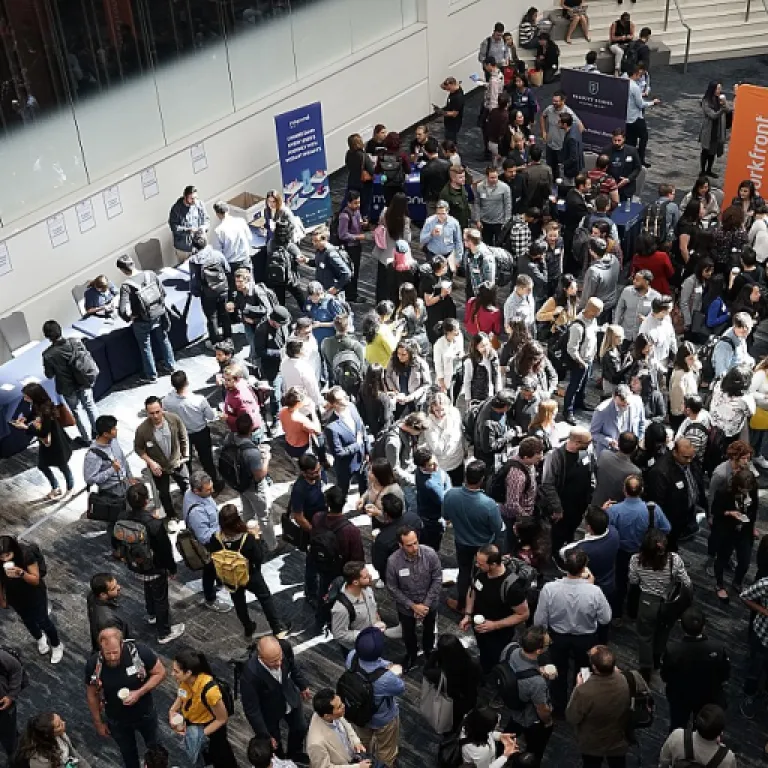
Why morale is now a strategic issue for chros
Why morale has moved from “nice to have” to strategic priority
In many companies, employee morale used to be treated as something soft and secondary. A themed office party here, a few fun games there, maybe an appreciation day once a year. It was often delegated to whoever liked planning food and activities, not to the chief people officer or the CHRO.
That approach no longer works. When you look at the data on engagement, retention, and mental health at work, morale is now a leading indicator of whether your people strategy is actually working. Low employee morale shows up quickly in productivity, quality, and customer experience. It also shows up in the cost of turnover and the difficulty of attracting the talent you need.
Research from Gallup and other large scale engagement studies consistently links high employee engagement with lower absenteeism, higher profitability, and better safety records. When employees feel valued and supported, they are more likely to stay, contribute ideas, and go the extra mile. When they do not, they disconnect, and the company culture quietly erodes.
Morale as an early warning signal for risk
For CHROs, morale is not just about keeping the team happy. It is an early warning system for deeper organizational risks. A drop in employee morale can signal:
- Burnout and workload issues that may lead to performance problems
- Psychological safety concerns that block innovation and honest feedback
- Misalignment between stated company values and the lived work environment
- Managerial gaps in recognition, communication, or basic people leadership
These are not “HR only” problems. They affect strategy execution, brand reputation, and even compliance. For example, when employees feel they cannot speak up, issues around ethics, safety, or discrimination are more likely to stay hidden until they become crises.
Morale is also closely tied to mental health at work. When stress is high and support is low, you see more conflict, more performance issues, and more complex employee relations cases. Approaches to employee discipline when mental health is involved increasingly require CHROs to understand how the broader work environment and company wide culture contribute to individual behavior. Fun activities alone will not fix systemic problems, but they can either reinforce a healthy culture or highlight how disconnected leadership is from reality.
Why “fun” belongs in serious people strategy
It can feel uncomfortable to talk about fun in the same breath as risk, performance, and mental health. Yet the way a company designs fun, appreciation, and team building activities is part of its operating system. It shapes how employees feel about their work, their team members, and the organization as a whole.
Done well, fun at work is not random. It is a tool for boosting employee engagement, reinforcing values, and making the everyday work environment more humane. It can help keep morale high during demanding periods, provided it respects people’s time, diversity, and different comfort levels.
For CHROs, this means moving beyond one off friendly ideas like a decorating contest, an escape room outing, or a pizza day. Those can be useful, but only when they are part of a broader approach that connects fun to recognition, inclusion, and meaningful work. Later in this article, we will look at how to create morale boosting activities that support your culture, and how to equip managers to act as everyday morale multipliers, not just event organizers.
From ad hoc events to a coherent morale strategy
Many organizations still rely on a patchwork of morale ideas: a quarterly appreciation day, occasional team building activities, some company wide emails thanking staff for their hard work. These gestures are not wrong, but they are rarely enough to boost employee morale in a sustained way.
A strategic approach asks different questions:
- What do we want employees to feel about working here on a typical day or week, not just during special events?
- How do our fun activities and appreciation practices reinforce our company culture rather than distract from it?
- How can we design engagement and team building so that all employees, not just the most extroverted, feel included?
- What signals are we sending about whose time matters when we schedule events, ask for after hours participation, or center everything around food or alcohol?
When CHROs treat morale as a design problem, not a calendar problem, they start to create experiences that genuinely support employee engagement. That includes simple, low cost ways to help employees feel seen and appreciated in the flow of work, not only during big company events.
The business case CHROs can take to the C suite
To secure budget and leadership attention, morale initiatives need a clear business case. Fortunately, the link between employee morale and business outcomes is now well documented in organizational research and large engagement databases. High morale and strong employee appreciation practices correlate with:
- Lower voluntary turnover and reduced hiring costs
- Higher productivity and better quality of work
- Improved customer satisfaction and loyalty
- Fewer safety incidents and lower error rates
For CHROs, the argument is straightforward. If you want a resilient company culture that can handle change, you need employees who feel connected, respected, and energized. Fun, when thoughtfully designed, is one of the levers you can use to build that resilience. The rest of this article will explore how to move from random perks to intentional morale design, how to ensure fun supports inclusion and psychological safety, and how to measure impact without turning everything into a rigid KPI exercise.
From random perks to intentional morale design
Why random perks stopped working
For a long time, many companies tried to boost employee morale with a grab bag of perks. A pizza day here, a surprise decorating contest there, maybe a quarterly escape room or a few fun games in the office. These ideas were not bad in themselves. They just were not connected to any clear people strategy.
The result was predictable. Some employees loved the activities. Others felt awkward or excluded. A few saw them as a distraction from real work. And when engagement survey scores did not move, leaders concluded that “morale initiatives” were nice to have, but not essential.
In reality, the problem was not the activities. It was the lack of intent. When fun is random, it does not address the real drivers of low employee morale, such as unclear expectations, weak recognition, poor workload management, or a work environment that does not feel psychologically safe. It becomes noise instead of a lever for employee engagement.
Defining what morale should achieve in your context
Intentional morale design starts with a simple question : what do you want employees to feel and experience in their day to day work, and why does that matter for your strategy ?
For example, you might decide that in your company culture, high morale means that :
- Team members feel trusted to make decisions and try new ideas.
- Employees feel that their hard work is seen and appreciated regularly, not only once a year.
- Staff can speak up about problems without fear, which supports both performance and mental health.
- People experience a sense of belonging in the team, regardless of background or role.
Once you define this, you can evaluate every “fun” initiative against these outcomes. A themed appreciation day, a company wide team building event, or a series of small team activities during the week are no longer just entertainment. They become tools to create specific feelings and behaviors that support your people and business goals.
Connecting fun with real work and real risks
Intentional morale design also means being honest about the pressures employees face. Low employee morale is often linked to stress, workload, and personal challenges, including mental health. If morale boosting ideas ignore this reality, they can feel tone deaf.
This is where HR and people leaders need to align morale initiatives with policies and support systems. For example, if you are planning more social activities or team building, you also need clear guidance on how managers respond when an employee is struggling. Resources on approaching employee discipline when mental health is involved should sit alongside your engagement and appreciation programs. Otherwise, you risk sending mixed signals : fun on the surface, but little support when things get difficult.
When employees see that the company takes both enjoyment and wellbeing seriously, they are more likely to trust morale initiatives and participate in them. Fun then becomes part of a coherent system, not a distraction from deeper issues.
From one off events to a morale roadmap
Another shift from random perks to intentional design is moving from one off events to a simple roadmap. Instead of asking “What fun thing should we do this month ?”, you ask “How do we keep morale high across the year, in a way that fits our work cycles and our culture ?”.
A basic morale roadmap might include :
- Regular appreciation moments : monthly employee appreciation rituals, such as short recognition circles in team meetings, or a rotating “thank you board” in the office or digital workspace.
- Seasonal activities : themed weeks or days that match your business rhythm, like a “customer appreciation and staff appreciation week” after a peak period, with friendly ideas such as food tastings, low pressure games, or a light decorating contest.
- Team building activities with purpose : quarterly building activities that connect to real work, such as problem solving challenges, cross team projects, or an escape room style exercise designed around your company values.
- Quiet support : ongoing access to wellbeing resources, flexible work options where possible, and clear communication about how to ask for help.
This roadmap does not need to be complex. The key is that it is intentional, predictable, and aligned with how your company operates. Employees can see that appreciation and engagement are built into the year, not added as an afterthought when morale drops.
Design principles for morale aligned with culture
To move beyond random perks, CHROs can use a few design principles when creating morale initiatives. These principles help ensure that fun supports your company culture instead of fighting it.
| Design principle | What it means in practice | Example in the work environment |
|---|---|---|
| Inclusive by default | Activities are accessible to different personalities, roles, and schedules. | Offer both high energy team building and quieter appreciation options, such as written shout outs or small group lunches. |
| Linked to real work | Fun reinforces skills, collaboration, or values that matter for performance. | Use fun games that mirror real team challenges, or a decorating contest that highlights customer stories or product milestones. |
| Frequent and lightweight | Small, regular moments of appreciation instead of rare, big events. | Short weekly check ins where team members share wins and thank each other for hard work. |
| Co created with employees | Employees help shape morale ideas, not just consume them. | Run quick polls to choose themes, food options, or office activities, and invite volunteers to help create the next appreciation day. |
Using data without turning fun into a KPI
Intentional design does not mean over engineering every activity. It does mean using simple data to understand what actually boosts employee morale. You can track participation, quick pulse survey responses, and qualitative feedback after events. Ask employees how activities made them feel, whether they felt more connected to the team, and if the work environment felt different in the following days.
The goal is not to measure every smile. It is to learn which types of appreciation, team building, and company wide initiatives genuinely support engagement, and which ones fall flat. Over time, this helps you refine your roadmap and invest in the ideas that truly boost employee engagement and make employees feel valued.
When you combine this learning mindset with a clear definition of the culture you want to create, fun stops being random. It becomes a deliberate, evidence informed part of your people strategy, ready to connect with meaning, recognition, and everyday work in the next step of your design.
Fun that respects diversity, inclusion, and psychological safety
Designing inclusive fun that everyone can opt into
When morale is low, it is tempting to throw in quick fun games, a pizza day, or a surprise escape room. These can help for a moment, but they often miss a key point : not every employee experiences “fun” the same way. For a chief people officer or HR leader, the real challenge is to create activities that respect diversity, inclusion, and psychological safety while still boosting employee morale in a visible way.
Start by assuming that your employees have different comfort levels, cultural backgrounds, and personal situations. Some team members love loud, high energy team building activities. Others prefer quiet, reflective moments of appreciation. Some are fine with after work events, while caregivers or people with long commutes may feel excluded. Inclusive morale design means :
- Offering choice and opt in, not pressure to participate
- Balancing social activities with low key options
- Making sure events are accessible, both physically and financially
- Checking that themes, jokes, and prizes do not alienate or stereotype any group
This is not about removing fun. It is about making sure employees feel that the company culture respects who they are, not who the loudest voices want them to be.
Building psychological safety into every “fun” moment
Psychological safety is not just for serious topics. It matters just as much when you are trying to keep morale high with lighthearted activities. If people worry they will be judged, mocked, or penalized for not joining in, your morale initiatives can backfire and actually lower engagement.
To keep employee morale high, design activities where no one is forced to perform, overshare, or compete in ways that feel uncomfortable. For example :
- Replace “most embarrassing story” icebreakers with simple, work friendly prompts like “a small win from this week”
- Use anonymous digital boards for appreciation, where staff can thank colleagues for hard work without putting anyone on the spot
- Offer camera optional participation in virtual events so employees feel more in control of their presence
- Set clear ground rules about respect, inclusion, and zero tolerance for jokes that target identity or personal situations
When employees see that the company protects their dignity even during fun activities, they are more likely to trust leadership and stay engaged during the tougher parts of the work day.
Inclusive themes, food, and formats that do not leave people out
Themed events and decorating contests can be powerful tools for boosting employee engagement, but they can also send subtle signals about who truly belongs. A “one size fits all” approach to themes, food, and formats often leaves some employees feeling like outsiders in their own office.
Consider a few practical guidelines when you create company wide morale ideas :
- Themes : Choose neutral, inclusive themes that do not rely on specific religions, national holidays, or stereotypes. For example, “innovation week” or “gratitude day” is more inclusive than a theme that centers on a single cultural tradition.
- Food : When you use food as part of appreciation day or morale high events, offer options that respect dietary needs and cultural preferences. Ask in advance about allergies, religious restrictions, and vegetarian or vegan needs.
- Formats : Mix in person and virtual friendly ideas so remote employees feel part of the same culture. A decorating contest can include home office setups, not just physical office spaces.
- Timing : Rotate times so that different shifts and time zones can join. Avoid always scheduling events outside normal work hours, which can penalize caregivers and people with long commutes.
These details may seem small, but they strongly influence whether employees feel that morale initiatives are truly for them or just for a narrow group. Over time, inclusive design choices shape a more equitable company culture.
Fun that aligns with values and policies
Morale initiatives work best when they are consistent with your stated values and people policies. If your company promotes flexibility, but all fun activities require being in the office late, employees will notice the gap. If you claim to support wellbeing, but morale events always involve alcohol or late night outings, some staff will quietly opt out.
HR leaders can use morale design as a way to reinforce the broader people strategy and even more structured approaches to organizational management. For example, when you review or introduce policies that elevate organizational management, check that your fun initiatives do not contradict them. Ask :
- Do our appreciation activities reflect our stance on inclusion and respect ?
- Are we unintentionally rewarding only extroverted behavior or long hours ?
- Do our team building activities support the kind of collaboration we expect in everyday work ?
When morale boosting employee initiatives and policies point in the same direction, employees feel a stronger sense of trust. They see that the company is not just using fun as a distraction from low employee engagement or structural issues, but as part of a coherent approach to culture.
Practical, low pressure ideas that respect different personalities
Inclusive fun does not have to be expensive or complex. Many of the most effective ideas are simple, repeatable, and easy to adapt for different teams. The key is to give people options and avoid turning every activity into a performance test.
Some practical, low pressure options that often work across diverse groups :
- Quiet appreciation corners : A physical or digital space where team members can leave notes of appreciation for colleagues. This supports employee appreciation without forcing public speeches.
- Opt in themed days : Light themes like “favorite book day” or “gratitude week” where employees can share as much or as little as they want. No one is penalized for not dressing up or participating.
- Small group building activities : Instead of large, high pressure events, use small group challenges, short problem solving games, or optional escape room style puzzles that can be done in person or online.
- Rotating hosts : Let different staff members suggest friendly ideas for morale activities, with HR providing a simple inclusion checklist to keep things safe and respectful.
These approaches help boost employee morale without putting anyone in the spotlight against their will. They also make it easier for managers to integrate morale high moments into the normal work environment, rather than relying only on big, rare events.
Checking for unintended exclusion and adjusting quickly
Even with the best intentions, some activities will not land well with every employee. What matters for long term employee engagement is how quickly you notice and adjust. Build simple feedback loops into your morale program :
- Short, anonymous pulse questions after company wide events
- Manager check ins with team members about how activities felt, not just whether they were “fun”
- Open channels where employees can suggest improvements without fear of being labeled negative
When you see patterns, such as certain groups rarely joining or feedback that some themes felt uncomfortable, treat it as valuable data, not criticism. Adjust the next round of activities, explain what you changed, and thank employees for speaking up. This reinforces psychological safety and shows that morale initiatives are a shared effort, not a top down show.
Over time, this iterative approach helps create a work environment where employees feel seen, respected, and genuinely included in the company culture. Fun becomes not just a break from work, but a signal that the organization takes their wellbeing and dignity seriously.
Linking fun to meaning, recognition, and everyday work
Turn “fun” into fuel for meaning and recognition
When morale is fragile, random fun activities are not enough. To truly boost employee morale, every “fun” initiative should help employees feel that their work matters, that their effort is seen, and that they belong to a healthy company culture. The goal is not to add noise to an already busy week, but to create moments where appreciation, purpose, and engagement come together in a way that feels natural in the work environment.
Connect celebrations to real work and real impact
Many companies run a pizza day or a themed office party and hope it will fix low employee morale. It rarely does. What works better is linking those moments directly to the impact of the team’s hard work.
- Impact based appreciation days: Instead of a generic employee appreciation day, tie the event to a concrete milestone. For example, celebrate the completion of a complex project, a successful product launch, or a major client renewal. Make the connection explicit so employees feel the line between their effort and the recognition.
- Storytelling in the office: During a short gathering, highlight specific stories of team members who helped customers, solved difficult problems, or supported colleagues. This turns a simple food based event into a recognition moment that reinforces company values.
- Visual impact walls: Use a physical or digital space to show how the team’s work contributes to the company strategy. Link fun games or decorating contest themes to those achievements, so the activity reinforces meaning instead of distracting from it.
When employees see that celebrations are grounded in their real contribution, they are more likely to feel respected rather than managed.
Design appreciation rituals, not one off gestures
One of the most effective ways of boosting employee morale is to move from occasional rewards to simple, repeatable rituals that keep morale high across the year. These do not need to be expensive or complex. They need to be consistent, fair, and connected to everyday work.
- Weekly recognition rounds: Encourage teams to end the week with a short recognition ritual. Each team member can call out one colleague whose work helped them. This keeps appreciation close to the work itself and builds peer to peer engagement.
- Monthly themed appreciation: Choose a theme that reflects a company value, such as collaboration or customer focus. During that month, managers highlight examples of that value in action and use small, friendly ideas like handwritten notes, shout outs in team meetings, or simple team building activities.
- Quarterly employee appreciation events: Organize company wide or department level events that mix fun activities with structured recognition. For example, combine an escape room or other team building games with a short session where leaders share specific achievements from the quarter.
These rituals help employees feel that appreciation is part of the culture, not a reaction to low employee engagement scores.
Blend fun with everyday collaboration and learning
Fun does not have to sit outside of work. Some of the most effective ideas for employee morale integrate enjoyment into normal collaboration, learning, and problem solving. This keeps engagement high without asking staff to choose between getting work done and joining morale activities.
- Problem solving games: Turn real business challenges into friendly team competitions. For example, teams can propose solutions to a recurring operational issue, then vote on the most practical idea. This format uses fun games to generate value while giving employees a voice.
- Learning lunches with a twist: Combine food with short, informal knowledge sharing sessions. Team members present quick lessons learned from recent projects, then the group discusses how to apply them. This supports employee engagement and helps employees feel that their expertise matters.
- Rotating host days: Once a month, let a different team member design a small morale boosting activity for the day, such as a themed playlist, a short quiz, or a simple office challenge. Provide clear boundaries so it remains inclusive and aligned with company culture.
By weaving fun into collaboration and learning, you avoid the trap of “fun versus work” and instead create a work environment where enjoyment supports performance.
Use recognition to reinforce values, not just output
Recognition is often focused only on results, such as hitting targets or closing deals. To truly boost employee morale and support long term engagement, it is important to recognize how employees work, not only what they deliver.
- Values based shout outs: Encourage managers to link appreciation to specific behaviors that reflect company values. For example, highlight when team members support each other during a difficult week, share knowledge, or show resilience in the face of change.
- Team based recognition: Balance individual rewards with team recognition. When a whole team collaborates effectively, celebrate that collective effort. This helps employees feel that collaboration is valued, not just individual performance.
- Quiet contributions: Make space to recognize employees whose work is less visible but essential. This can include operations, support, or back office staff. When these employees feel seen, overall employee morale improves across the company.
Aligning recognition with values sends a clear signal about what the company truly cares about, which in turn shapes everyday behavior.
Make physical and virtual spaces support meaning
The work environment itself can either reinforce or undermine your morale strategy. Simple changes to physical or digital spaces can help employees feel more connected to the company mission and to each other.
- Purpose corners: In the office, create small areas that display customer feedback, success stories, or impact metrics. In remote or hybrid settings, use a shared digital board. Link some decorating contests or themed days to these spaces so that staff interact with them regularly.
- Recognition boards: Maintain a visible board where team members can post quick notes of appreciation to colleagues. Keep it active by refreshing it every week or month, and encourage managers to contribute regularly.
- Inclusive visuals: Ensure that images, messages, and symbols used in the office or in digital channels reflect the diversity of employees and the full range of roles. This supports psychological safety and helps employees feel that they belong.
When the environment reflects meaning and appreciation, morale initiatives feel more authentic and less like isolated events.
Give managers simple tools to link fun, meaning, and work
Managers are often the bridge between company wide morale programs and the daily experience of employees. To make fun and recognition truly strategic, they need practical tools that help them connect activities to purpose and performance.
- Conversation guides: Provide short guides that help managers explain why a specific activity is happening, how it links to the company strategy, and what behaviors it is meant to reinforce.
- Recognition templates: Offer simple templates for appreciation messages that prompt managers to mention the specific work done, the impact on the team or company, and the value demonstrated.
- Planning checklists: Before launching a morale initiative, ask managers to check that it supports inclusion, respects different preferences, and connects clearly to ongoing work and priorities.
With these tools, managers can turn even small morale ideas into meaningful experiences that support both employee engagement and business outcomes.
Measuring the impact of morale initiatives without killing the fun
Practical ways to track impact without turning fun into a survey
When morale initiatives are done well, employees feel more energy, connection, and appreciation in their everyday work. The risk for a CHRO is that measurement becomes so heavy that it kills the fun. The goal is not to turn every appreciation day or team building activity into a research project. The goal is to collect just enough data to know what is working, what is not, and how to keep morale high over time.
A simple rule of thumb : measure lightly, but consistently. Use a few repeatable indicators, combine them with qualitative signals from staff and managers, and look for patterns across the company rather than obsessing over one single event.
Decide what “good” looks like before you launch
Before you roll out new morale ideas, be explicit about the outcomes you want to see. This keeps you away from vanity metrics like “number of pizzas ordered” and closer to strategic outcomes like employee engagement and retention.
- Define 3 to 5 core outcomes you care about, for example :
- Employees feel more connected to their team members
- Employee morale improves in teams with low employee engagement scores
- Managers report more positive energy in the work environment
- Participation in voluntary activities increases across the company
- Clarify what you will not measure to protect psychological safety. For instance, you might decide not to track individual participation in fun games or an escape room challenge, only team level trends.
- Align with leaders and managers so they understand that morale initiatives are not a distraction from hard work but a lever for boosting employee performance and engagement.
Having this clarity up front helps you design activities, from a decorating contest in the office to company wide team building activities, that are easier to evaluate later.
Use a small, stable set of quantitative indicators
You do not need a complex dashboard to understand whether your culture and morale initiatives are working. A small, stable set of indicators, tracked over time, is usually enough.
- Pulse surveys : Short, regular surveys with 3 to 5 questions on employee morale, sense of appreciation, and team connection. Keep the questions consistent so you can see trends week by week or quarter by quarter.
- Engagement and retention metrics : Track changes in employee engagement scores, voluntary turnover, and internal mobility in teams that participate actively in morale activities compared with those that do not.
- Participation rates : Look at how many employees join optional activities such as themed days, food related events, or building activities. You are not judging individuals, you are checking whether the ideas resonate with different groups.
- Manager observations : Ask managers to rate, in a simple format, how their team feels before and after key initiatives. For example, a quick monthly check on energy levels, collaboration, and signs of burnout.
These indicators should be easy to collect and easy to explain. If you cannot describe to a manager in one minute how you measure morale, the system is probably too complex.
Listen to the stories behind the numbers
Numbers tell you that something is changing. Stories tell you why. To understand whether your morale initiatives truly support your people strategy, you need both.
- Short, open feedback : After a company wide event or a new appreciation day, invite employees to answer one or two open questions, such as “What made this activity valuable for you ?” and “What would you change next time ?” Keep it anonymous to protect psychological safety.
- Focus groups with diverse staff : Bring together employees from different functions, locations, and backgrounds to discuss how the work environment feels and which activities help them feel included. This is especially important when you test new friendly ideas or themed office events.
- Manager debriefs : Ask managers to share what they noticed about team members during and after activities. Did quieter employees participate more in fun games ? Did cross functional relationships improve after a team building escape room ?
Qualitative insights help you see whether your culture initiatives are inclusive, whether employees feel genuine appreciation, and whether the activities connect to everyday work rather than sitting on the side as entertainment.
Connect morale data to business outcomes
For CHROs, the real test is whether boosting employee morale also supports business performance. You do not need to prove that a single decorating contest increased revenue. You do want to show that a healthier company culture and higher employee engagement correlate with better outcomes over time.
| Morale signal | Possible business link | How to explore the connection |
|---|---|---|
| Higher employee morale scores in a team | Improved productivity and quality of work | Compare output, error rates, or customer satisfaction before and after key morale initiatives |
| Increased participation in team building activities | Stronger collaboration across functions | Track cross team project success and cycle times |
| More frequent employee appreciation moments | Lower turnover in critical roles | Monitor retention and internal promotion rates in teams where appreciation is visible |
| Positive feedback on company culture | Better employer brand and easier hiring | Review external reviews, referral rates, and time to fill key positions |
The aim is not to claim direct causality for every activity, but to show that a systematic approach to employee appreciation, engagement, and fun at work contributes to a healthier, more resilient company.
Protect the “fun” while you measure
Finally, measurement should never make employees feel watched or judged. If staff start to see every appreciation day or office event as a test, morale will drop instead of rise.
- Be transparent : Explain why you collect data, how it will be used, and what you will not do with it. Emphasize that the goal is to improve the work environment, not to evaluate individual performance.
- Keep surveys short and optional : Respect people’s time. A few well designed questions after a week of activities are better than a long questionnaire after every event.
- Avoid competitive pressure : Friendly ideas like a decorating contest can be fun, but do not tie them to formal rewards that create anxiety. Focus on shared appreciation and team spirit.
- Share results back : When you act on feedback, tell employees what changed. This builds trust and encourages honest input in the future.
When measurement is light, respectful, and clearly linked to better work experiences, employees are more willing to participate. Over time, you create a culture where fun, appreciation, and engagement are not occasional events but part of how the company operates every day.
Equipping managers to be everyday morale multipliers
Turn managers into architects of everyday morale
Morale lives or dies in the relationship between managers and employees. A company can launch the most creative activities, from a decorating contest in the office to a company wide appreciation day, but if a direct manager ignores hard work or creates a tense work environment, employee morale will stay low.
For a chief human resources officer, the real leverage point is not one big event per year. It is thousands of small interactions every day that shape how employees feel about their work, their team, and the company culture. That means managers need practical tools, not just slogans about engagement.
Give managers simple rituals that signal appreciation
Managers often want to boost employee morale but do not know where to start. Instead of vague guidance about “recognizing people more”, give them a small set of repeatable rituals that fit into a normal work week.
- Weekly appreciation moments – Ask managers to reserve five minutes in a regular team meeting to highlight specific examples of hard work, collaboration, or creative ideas. Keep it concrete and tied to real outcomes so employee appreciation feels authentic, not forced.
- One quick check in per day – Encourage each manager to choose one employee per day for a short, focused check in. One question about workload, one about morale, one about support needed. This creates a steady rhythm of care without adding heavy process.
- Micro thank you notes – Provide short templates for email or chat messages that managers can personalize. A two line note that links appreciation to impact on the team or customer experience can do more for engagement than a generic reward.
These rituals help employees feel seen and valued, which is the foundation for any fun games, themed days, or team building activities you introduce later. Without that base of appreciation, even the most creative ideas can feel like a distraction from real work.
Equip managers with a menu of morale friendly ideas
Not every manager is naturally creative. Some will struggle to design activities that keep morale high while respecting different personalities and schedules. A central “morale playbook” can remove that friction.
Consider giving managers a simple catalog of low cost, low friction options they can adapt to their team:
- Themed breaks – Short, optional breaks built around a theme, such as a five minute “wins of the week” round, a quick quiz, or a shared playlist session. These work well in both office and remote settings.
- Food based appreciation – Occasional breakfast drop ins, snack boxes for hybrid teams, or a rotating “favorite recipe” day where team members share dishes or stories. Food is a classic way to create connection, but managers should be trained to consider dietary needs and cultural preferences.
- Lightweight team building – Simple building activities such as a short problem solving challenge, a virtual escape room, or a collaborative brainstorming session on how to improve the work environment. The focus stays on connection and collaboration, not competition.
- Decorating contest with purpose – A decorating contest for a shared space or virtual background that ties to company values or current priorities. This keeps fun linked to meaning, not just decoration for its own sake.
The goal is not to turn every manager into an event planner. It is to give them friendly ideas that can be slotted into the normal flow of work, so boosting employee morale becomes part of how the team operates, not an extra project.
Train managers to connect fun with psychological safety
Earlier in the article, we looked at how fun can backfire when it ignores diversity, inclusion, or psychological safety. Managers sit at the center of that risk. They decide which activities are optional, how participation is framed, and how feedback is handled when employees do not enjoy something.
Manager training should cover a few practical points:
- Optional means truly optional – Make it clear that no one’s performance or reputation should suffer if they skip a social activity. Managers need language to normalize this, such as “Join if this sounds fun to you, no pressure if you prefer a quiet break.”
- Watch for exclusion patterns – Help managers notice who is consistently left out of informal gatherings, fun games, or building activities. This can be a signal of low employee engagement or psychological safety issues that require attention.
- Invite feedback without defensiveness – When an employee says an activity did not feel inclusive or comfortable, managers should be trained to thank them, ask clarifying questions, and adjust. Defensive reactions can damage trust faster than any single event can repair it.
When managers understand that morale is not only about fun but also about safety and respect, they are more likely to choose activities that help employees feel both energized and secure.
Make morale part of manager performance, not a side project
If morale is truly strategic, it has to show up in how you evaluate and support managers. Otherwise, the urgent demands of delivery will always push engagement to the side.
Many organizations already track employee engagement at the company level. To turn managers into everyday morale multipliers, you can go one step further:
- Team level signals – Use short, regular pulse surveys that ask employees how they feel about recognition, workload, and team culture. Share results with managers in a simple dashboard, along with guidance on how to interpret the data.
- Qualitative check ins – Encourage HR business partners to ask employees open questions about their team experience during routine conversations. Numbers can hide nuance; stories reveal whether morale initiatives are landing well.
- Manager goals and coaching – Include specific morale and engagement goals in manager objectives, then pair them with coaching, not just pressure. When a team shows low employee morale, focus on building skills and support rather than blame.
This approach connects the earlier discussion about measuring impact with the daily reality of leadership. Managers see that engagement is not a survey event once a year, but a continuous part of their role.
Support managers with peer learning and practical tools
Finally, managers need a community, not just instructions. Some will have excellent instincts for employee engagement and can share what works. Others will be new to people leadership and unsure how to boost employee morale without overstepping or wasting time.
Consider structures that make learning easy:
- Short peer sessions – Monthly or quarterly gatherings where managers share one morale idea that worked and one that did not. This keeps the focus on real practice, not theory.
- Template library – Ready to use agendas for appreciation day events, sample messages for recognizing hard work, and checklists for planning small team building activities. This reduces the cognitive load on busy leaders.
- Guides for different contexts – Separate tips for in office, hybrid, and fully remote teams, so managers can adapt ideas to their reality. What works in a shared office with easy access to food and physical activities may not translate directly to a distributed team.
When managers have access to these tools, they are more likely to experiment, learn, and refine their approach. Over time, this creates a culture where morale high moments are not rare events, but a natural part of how the company operates day to day.