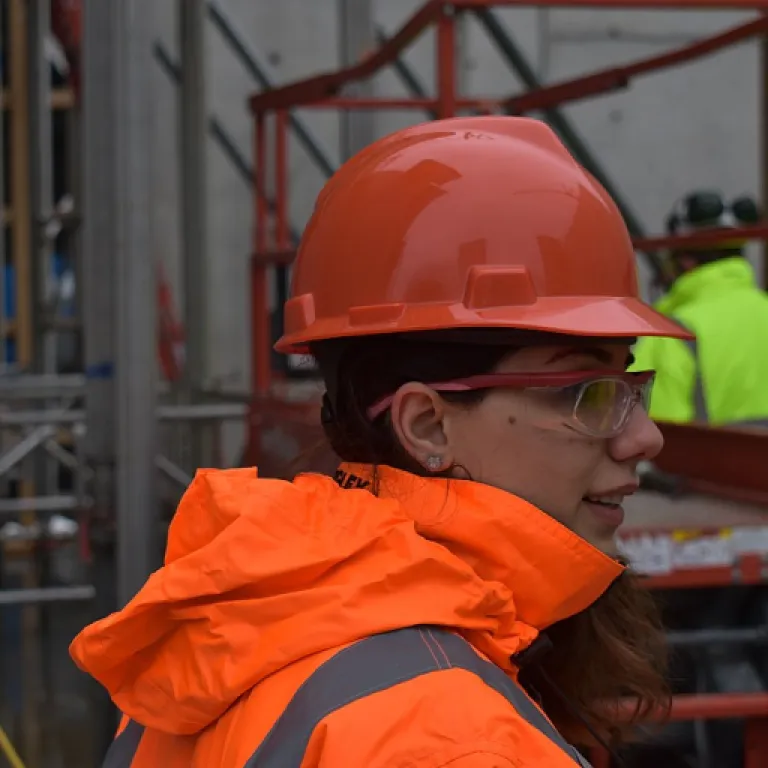
Why performance skills matter in everyday corporate life
Performance skills shape how professionals handle pressure, communicate clearly, and sustain performance over time. In a demanding business environment, mental performance and emotional balance become essentials that are just as crucial as technical expertise. When employees manage their energy and time well, their performance will often rise faster than their formal qualifications suggest.
Corporate culture influences which performance skills are valued, rewarded, and practiced during each work day. Some organizations focus on visible outcomes like sales performance, while others emphasize mental skills, communication skills, and leadership behaviours that sustain peak performance. In both cases, the way people practice these skills at work determines whether things going well are repeatable or just lucky exceptions.
High level performance mental habits are no longer reserved for elite athletes or performers. Many business leaders now work with a coach who borrows methods used with athletes great at staying calm under pressure. Techniques such as taking a deep breath before important meetings, visualizing successful public speaking, or rehearsing free throws like repetitive tasks can help professionals build confidence and control.
These performance skills enhance resilience when things don’t go as planned and people don’t feel in control. Employees who skills learn to pause, reflect, and reset can protect their mental performance and maintain a sustainable career trajectory. Over time, developing performance routines becomes crucial for both individual professional development and the wider corporate culture.
Mental performance and leadership under pressure
Mental performance sits at the core of effective leadership in any business. Leaders who manage their own mental skills can model calm, focus, and control for their équipes during demanding periods. This kind of leadership performance helps teams navigate uncertainty without letting stress dominate the work environment.
In many organizations, a coach supports executives in building performance skills that align with strategic goals. They practice mental performance routines such as structured reflection, deliberate breaks, and short deep breath exercises before high stakes decisions. These habits allow leaders to maintain a high level of awareness and avoid reactive decisions when things going wrong could damage long term performance.
Leadership also involves communication skills that translate complex strategies into clear, motivating messages. When leaders use performance skills to listen actively, they help employees feel heard and reduce the sense that people don’t feel valued. Over time, these communication skills enhance trust, which is crucial for performance mental resilience across the organization.
Worker groups and employee networks often reinforce these behaviours by sharing practical tools for developing performance in teams. In some companies, these groups become informal athletes great communities, where people train their mental skills like professionals preparing for free throws under pressure. For more on how such groups shape culture and performance, many analysts point to the growing role of worker groups in corporate culture.
From athletes to executives: translating peak performance into business
Elite athletes and high performing executives share more performance skills than many people assume. Both groups rely on mental performance routines, disciplined practice, and clear feedback to reach a consistently high level. They also need strong communication skills with coaches, teammates, or colleagues to keep performance aligned with shared goals.
In sport, athletes great at handling pressure use mental skills to stay present during free throws or decisive moments. In business, professionals face similar tests during public speaking, negotiations, or crisis management when things going badly could affect many stakeholders. The same performance mental techniques, such as visualization and controlled deep breath cycles, can help maintain control and focus.
Many organizations now offer an online course or internal training that adapts these athletic methods for corporate careers. These programs teach employees how to practice performance skills daily, from planning their time to managing their mental performance before key meetings. Over time, such training can help people skills learn to respond rather than react when they don’t feel ready.
Corporate culture plays a crucial role in whether these methods become part of everyday work. When management encourages practice, reflection, and feedback, performance will usually improve across different levels of the business. For a broader view on how diversity of experiences strengthens these approaches, analysts often reference research on embracing diversity in corporate culture.
Building sustainable performance habits in corporate culture
Performance skills become truly powerful when they turn into sustainable habits embedded in corporate culture. Employees who repeatedly practice mental performance routines, such as short breaks and focused planning, protect their energy over time. This approach helps them maintain a high level of output without burning out during intense periods of work.
One essentials habit is learning to pause and take a deep breath before reacting to stressful emails or meetings. This simple act of control allows mental skills to engage fully, rather than letting emotions drive performance. Over many days, these small things help people feel more stable and confident in their career decisions.
Another crucial habit involves deliberate practice of communication skills in everyday interactions. Professionals can treat recurring tasks like free throws, using each repetition to refine how they explain ideas, ask questions, or give feedback. These performance skills enhance collaboration and reduce misunderstandings, which often slow down business projects and damage trust.
Management can support these habits by giving teams time and space to reflect on performance. When leaders encourage employees to share what things going well and what they don’t feel comfortable with, learning accelerates. Over time, this culture of open dialogue and practice ensures that performance will improve not only for individuals but for the entire organization.
Digital environments, social media, and performance skills
Modern corporate culture unfolds partly in digital spaces, where performance skills face new tests. Constant notifications, social media pressures, and online meetings can fragment attention and weaken mental performance. Professionals need clear mental skills to manage their time and maintain control over their focus.
Many organizations now provide an online course on digital wellbeing as part of professional development. These programs teach employees how to set boundaries with social media, schedule deep work, and use a deep breath reset between virtual meetings. Such training helps people don’t feel overwhelmed by things going too fast in their digital work day.
Communication skills also change when much of the work happens through screens. Employees must practice performance skills that adapt tone, clarity, and empathy to emails, chats, and video calls. When these skills enhance understanding, they reduce conflict and support a high level of collaboration across remote équipes.
Digital platforms can also support developing performance by offering micro learning modules on mental performance and leadership. Employees can access short lessons from a coach or expert, then practice skills learn immediately in their work context. Over time, this blend of technology and human guidance ensures that performance will remain sustainable, even in fast changing business environments.
Career management, coaching, and the future of performance skills
Career management increasingly depends on how well professionals integrate performance skills into their daily routines. Technical expertise remains crucial, but mental performance, communication skills, and leadership behaviours often determine who progresses to higher responsibility. Employees who invest time in practice and reflection usually build more resilient and adaptable careers.
Working with a coach can accelerate this process by providing structured feedback and tailored exercises. Coaches often borrow methods from athletes great at maintaining a high level of performance under pressure, including visualization, deep breath routines, and deliberate practice. These approaches help clients don’t feel lost when things going unexpectedly in their business environment.
Many organizations now support professional development through an internal or external online course focused on performance mental training. Participants learn mental skills, performance skills, and practical tools to manage their time, energy, and attention. When these programs align with corporate culture, they become essentials components of long term talent management.
Over time, developing performance becomes a shared responsibility between individuals and management. Employees commit to practice and reflection, while leaders create conditions where performance will be recognized, supported, and fairly rewarded. In this evolving landscape, the most successful careers blend technical expertise with refined performance skills that enhance both personal wellbeing and organizational results.
Key statistics on performance skills and corporate culture
- Organizations that invest in mental performance and communication skills training report significantly higher employee engagement and retention rates.
- Companies with structured professional development programs focused on performance skills often see measurable gains in productivity and project delivery times.
- Employees who regularly practice deep breath and other stress management techniques report lower burnout indicators and better work life balance.
- Leadership teams that receive coaching on performance mental routines tend to navigate crises with fewer operational disruptions.
Frequently asked questions about performance skills in corporate culture
How do performance skills differ from technical skills in a corporate setting ?
Performance skills relate to how you use your technical knowledge under pressure, manage your mental performance, and communicate with others. Technical skills answer what you can do, while performance skills answer how reliably and sustainably you can do it. Both are crucial, but performance skills often determine long term career progression.
Can performance skills really be trained like athletic abilities ?
Yes, many performance skills can be trained through deliberate practice, feedback, and repetition. Techniques used with athletes, such as visualization, deep breath routines, and structured reflection, adapt well to business contexts. Over time, these methods help professionals respond more effectively when things going unpredictably at work.
What role does corporate culture play in developing performance skills ?
Corporate culture shapes which behaviours are encouraged, rewarded, or ignored, directly affecting performance skills. When management values reflection, open communication, and mental performance, employees feel safer to practice and improve. In contrast, cultures that reward only short term results often neglect these essentials capabilities.
How can employees start improving their performance skills during a busy work day ?
Employees can begin with small habits, such as taking a deep breath before key conversations or meetings. They can also schedule short reflection periods to review what things going well and where they don’t feel fully in control. Over time, these simple practices build stronger mental skills and more reliable performance.
Are online courses effective for learning performance skills ?
Well designed online courses can be very effective, especially when combined with coaching or peer support. They allow employees to learn mental performance concepts, communication skills, and leadership tools at their own pace. The impact increases when participants immediately apply what they skills learn in real work situations.