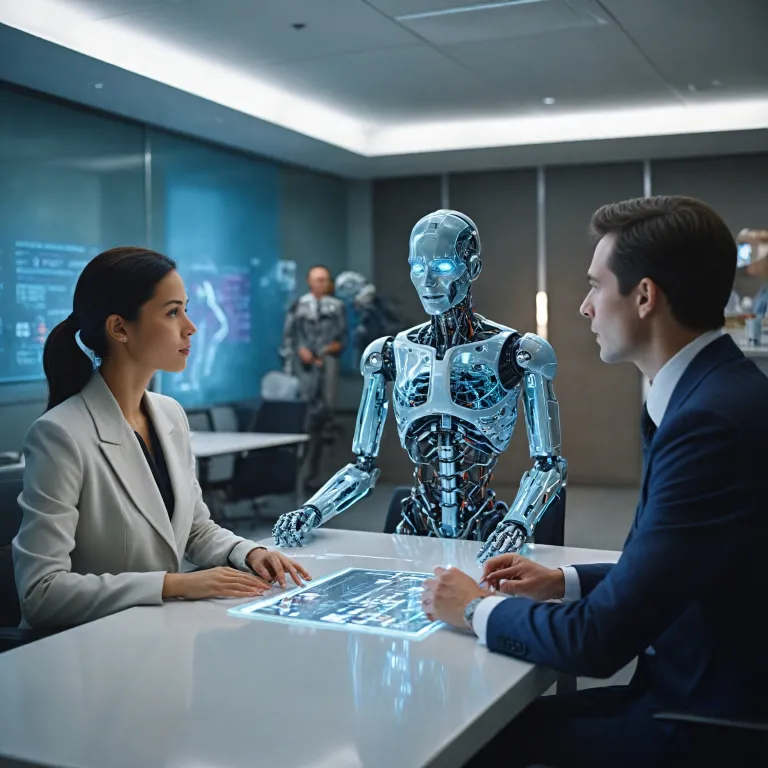
Understanding ai automation in coaching and consulting
AI-driven tools reshaping coaching and consulting work
Artificial intelligence is no longer a futuristic concept in the coaching and consulting industry. Today, automation and AI-powered tools are actively changing how coaches, consultants, and consulting firms operate. These technologies are not just about replacing manual tasks; they are about enhancing the quality of client interactions, streamlining business processes, and supporting data-driven decision making. From natural language processing to predictive analytics, AI is enabling professionals to deliver more personalized and impactful coaching sessions.
One of the most significant changes is the shift towards data-driven insights. AI automation allows for real-time data analysis, giving coaches and consultants a deeper understanding of client needs and business challenges. This means that recommendations are no longer based solely on intuition or past experience, but on concrete, actionable data. The result is more effective problem solving and long-term development strategies for clients.
- Automation benefits: Reducing repetitive administrative work, such as scheduling and reporting, freeing up time for coaches and consultants to focus on high-value activities.
- Natural language processing: Enabling more accurate analysis of client feedback and communication, leading to better tailored coaching and consulting interventions.
- Paper free processes: Moving towards digital documentation and white paper downloads, making the industry more efficient and environmentally friendly.
AI automation is also supporting change management initiatives by providing predictive analytics and driven insights. This helps consulting firms and coaches consultants anticipate challenges and guide clients through complex transformations. The integration of AI-driven ERP systems is a key example of how technology is supporting the evolution of HR transformation in the consulting industry. For a deeper dive into this topic, explore the role of AI-driven ERP systems in HR transformation.
As the industry continues to evolve, understanding the impact of automation on coaching and consulting work is essential for professionals seeking to stay ahead. The next sections will explore the key benefits, challenges, and real-world applications of AI automation, as well as how to balance the human touch with technological advancements.
Key benefits of ai automation for HR transformation
Unlocking Efficiency and Value in Coaching and Consulting
AI automation is driving significant change in the coaching and consulting industry. By integrating advanced tools and data-driven insights, consultants and coaches can now deliver more value to their clients and organizations. Automation benefits extend beyond simple task management, touching every aspect of the consulting process, from client onboarding to long-term development strategies.
- Time savings: Automation reduces manual paperwork and repetitive administrative work, allowing coaches and consultants to focus on high-impact activities such as problem solving and client engagement.
- Enhanced data analysis: With natural language processing and predictive analytics, consulting firms can analyze large volumes of data in real time. This enables more accurate decision making and tailored recommendations for clients.
- Personalized coaching sessions: AI-driven tools help coaches customize their approach based on client needs, using data-driven insights to track progress and adjust strategies for better outcomes.
- Paper free processes: Moving towards digital solutions not only streamlines operations but also supports sustainability goals. White paper downloads and digital reports replace traditional paperwork, making information sharing more efficient.
- Scalable client support: Automation allows consulting industry professionals to manage larger client portfolios without sacrificing quality. Automated scheduling, follow-ups, and feedback collection ensure consistent client experiences.
For those interested in how technology is reshaping HR practices, exploring how pay equity software is reshaping human resources transformation provides further insights into the broader impact of automation across the industry.
Ultimately, the integration of AI automation in coaching consulting is not just about efficiency. It is about empowering coaches, consultants, and clients to make informed, data-driven decisions that drive long-term business development and change management success.
Challenges and limitations of ai automation adoption
Barriers to Seamless Integration of Automation
While automation is reshaping the coaching and consulting industry, its adoption is not without obstacles. Many consulting firms and coaches consultants encounter significant challenges when integrating AI-driven tools into their daily work. These hurdles can impact the effectiveness of coaching sessions and the overall client experience.
- Data Quality and Privacy: Automation and data driven insights rely on high-quality, secure data. Inconsistent data collection or concerns about client confidentiality can limit the effectiveness of predictive analytics and natural language processing tools.
- Change Management: Shifting from traditional methods to automated solutions requires a cultural change. Coaches, consultants, and clients may resist new processes, fearing loss of the human element or uncertainty about the long term impact on their business.
- Technical Complexity: Implementing automation tools demands technical expertise. Not all coaching consulting professionals have the resources or knowledge to manage complex systems, especially when integrating real time data analysis and automation benefits into existing workflows.
- Cost and ROI Concerns: The initial investment in AI-driven solutions can be high. Consulting industry leaders often question whether automation will deliver measurable results, especially for smaller firms or independent coaches.
- Maintaining Human Connection: Automation can streamline processes, but there is a risk of diminishing the personal touch that is central to effective coaching and consulting. Balancing technology with genuine human insights remains a key concern.
For organizations still relying on legacy systems, these challenges are even more pronounced. Transitioning to modern HR solutions is essential for unlocking the full potential of automation. For a deeper look at overcoming legacy barriers, explore this guide to modern HR solutions.
Addressing Limitations for Sustainable Growth
Despite these challenges, the industry is actively developing strategies to address them. Ongoing professional development, clear communication about automation benefits, and a focus on data security are helping coaches and consulting firms adapt. Emphasizing the value of human expertise alongside data driven tools ensures that automation enhances, rather than replaces, the core strengths of coaching and consulting.
Real-world applications in coaching and consulting
AI-powered tools in coaching sessions
Across the coaching and consulting industry, automation is making a real difference in how professionals work with clients. AI-powered tools are now used to analyze conversations during coaching sessions, offering real-time feedback and data-driven insights. This helps coaches and consultants identify patterns, track progress, and personalize development plans. Natural language processing allows for a deeper understanding of client needs, making each session more impactful and efficient.
Data-driven decision making for consultants
Consulting firms are leveraging automation benefits through advanced data analysis and predictive analytics. These tools help consultants make informed decisions, spot trends, and recommend strategies that are tailored to each business. By automating repetitive tasks, consultants can focus more on problem solving and change management, delivering greater value to their clients. The shift towards paper free processes also streamlines operations, reducing manual errors and saving time.
Enhancing client experience and business development
- Automation enables coaches and consultants to provide faster responses and more personalized support.
- Clients benefit from ongoing monitoring and feedback, which supports long term growth and development.
- AI-driven insights help identify opportunities for improvement, making the consulting process more proactive and client-focused.
Real-world examples of automation in action
Many coaching consulting firms now use AI-driven platforms to manage client interactions, schedule sessions, and deliver customized resources. For example, natural language processing tools can summarize coaching sessions, highlight key themes, and suggest next steps. Predictive analytics are used to anticipate client needs and recommend targeted interventions, supporting both individual and organizational change. These advancements are not just theoretical; they are actively shaping the way coaches, consultants, and clients work together in the industry.
For those interested in exploring these innovations further, many consulting firms offer downloadable white papers that detail their automation strategies and outcomes, providing valuable insights for anyone considering digital transformation in their own practice.
Balancing human touch with automation
Finding the Right Balance Between Technology and Human Expertise
As AI automation becomes more integrated into the coaching and consulting industry, one of the main questions is how to maintain the essential human touch. While automation tools offer significant benefits—like real time data analysis, predictive analytics, and paper free processes—they cannot fully replace the nuanced understanding and empathy that coaches and consultants bring to client relationships.
Clients often seek coaching or consulting for personal development, change management, or complex problem solving. These areas require more than just data driven insights. They demand a human approach, where coaches and consultants listen, interpret natural language, and respond with empathy. Automation can support this work by providing coaches with relevant data, automating routine tasks, and making sessions more efficient. However, the final decision making and relationship building still depend on human skills.
- Automation benefits: Streamlines administrative work, allowing coaches and consultants to focus on client needs.
- Human expertise: Essential for interpreting data, understanding context, and guiding clients through change.
- Data driven support: AI can suggest development paths or highlight trends, but the coach’s experience shapes the advice.
- Natural language processing: Helps analyze client feedback, yet human insight is needed for meaningful interpretation.
Consulting firms and independent coaches are learning to blend automation with their personal approach. For example, using AI-driven tools to prepare for coaching sessions or to track client progress over time, while still dedicating time to one-on-one conversations. This balance ensures that the industry remains client-centered, even as it becomes more technology driven.
Ultimately, the long term success of AI automation in coaching consulting will depend on how well the industry preserves its human core while embracing new tools. The future of work in this field is not about replacing people, but about empowering them to deliver greater value to clients through a thoughtful mix of technology and human connection.
Future trends in ai automation for HR transformation
Emerging Technologies Shaping the Coaching and Consulting Landscape
The coaching and consulting industry is experiencing rapid change, driven by advances in automation and artificial intelligence. Tools powered by natural language processing and predictive analytics are becoming more accessible, enabling consultants and coaches to deliver data driven insights in real time. These technologies are not just streamlining administrative tasks; they are also enhancing the quality of coaching sessions and consulting engagements by providing deeper data analysis and actionable recommendations.
Personalization and Data Driven Decision Making
One of the most significant trends is the shift towards highly personalized client experiences. Automation benefits include the ability to analyze large volumes of client data, allowing coaches and consulting firms to tailor their approaches to individual needs. This level of customization supports better problem solving and long term development for clients, making coaching and consulting more impactful and relevant. As automation tools evolve, expect even more refined insights and recommendations, supporting better decision making for both clients and consultants.
Paper Free Workflows and Enhanced Collaboration
The move towards paper free processes is accelerating, with digital platforms enabling seamless collaboration between coaches, consultants, and clients. Automated scheduling, progress tracking, and feedback collection are now standard features, reducing administrative overhead and freeing up time for meaningful client interactions. This shift not only improves efficiency but also supports sustainability goals within the industry.
Continuous Learning and Change Management
As automation becomes more embedded in coaching consulting, continuous learning is essential for both coaches and consultants. Staying updated on the latest tools and techniques ensures that professionals can leverage automation to its fullest potential. Change management strategies are increasingly focused on integrating new technologies while maintaining the human element that is central to effective coaching and consulting.
What Lies Ahead for Coaches, Consultants, and Clients
- Increased use of natural language processing for real time feedback and analysis during coaching sessions
- Greater reliance on predictive analytics to anticipate client needs and drive business development
- Expansion of data driven tools that support both strategic planning and day to day operations in consulting firms
- Ongoing emphasis on balancing automation with the human touch, ensuring that technology enhances rather than replaces personal connections
For those seeking to stay ahead in the consulting industry, embracing these trends is crucial. The future will be shaped by a blend of advanced automation, data driven insights, and the irreplaceable value of human expertise.